
Views: 0 Author: Site Editor Publish Time: 2026-09-09 Origin: Site


Manufacturers constantly face a strict challenge on the modern production floor. You must balance extreme precision, preserve structural material integrity, and maintain operational scalability. Traditional cutting methods often generate excessive heat. This thermal stress compromises sensitive components and creates defects. A Waterjet Cutting Machine serves as a highly specific solution to this manufacturing hurdle. It completely eliminates Heat Affected Zones (HAZ) during processing. This makes the equipment ideal for cutting temperature-sensitive or highly reflective materials safely. We wrote this article to provide a comprehensive technical overview of cold-cutting technology. You will learn how to compare pure and abrasive processing techniques accurately. We also outline the exact operational criteria you need. These guidelines will help you evaluate and shortlist industrial waterjet equipment effectively.
Waterjet technology fundamentally divides into pure (soft materials) and abrasive (hard materials) techniques, dictating specific machine configurations.
The absence of thermal distortion (no HAZ) makes waterjets structurally superior for aerospace, automotive, and composite applications.
Successful implementation hinges on facility readiness, specifically water treatment, drainage, and high-pressure maintenance protocols.
Selecting the right fabrication equipment dictates your production capabilities. Traditional methods like laser and plasma cutting introduce intense heat into the workpiece. This thermal energy causes significant problems. It often leads to severe warping in thin metals. Heat also induces micro-cracking in advanced alloys. Furthermore, it hardens the cut edges of steel. We call this damaged area the Heat Affected Zone (HAZ). A hardened edge ruins secondary machining operations. It quickly breaks drill bits and tapping tools.
The cold cutting advantage solves these thermal issues completely. A waterjet utilizes a supersonic erosion process. It preserves the original metallurgical integrity of your material. You never change the temper or structural properties of the metal. Consequently, you eliminate secondary edge-finishing operations entirely. Parts come off the cutting bed ready for final assembly or welding.
Material versatility serves as a massive growth driver for fabrication shops. You can pivot between vastly different jobs rapidly. You might cut half-inch titanium in the morning. By afternoon, you can cut carbon fiber or ballistic glass. You do this on the same machine. You never need to change the physical cutting tooling. You simply adjust the software parameters and water pressure.
You should measure success through specific operational criteria. Look closely at the reduction in secondary machining steps. Track your material scrap reduction. Waterjets allow very tight part nesting because they produce a narrow kerf. Finally, evaluate your expanded bidding capabilities. You can now accept diverse jobs previously rejected due to material thickness or heat sensitivity.
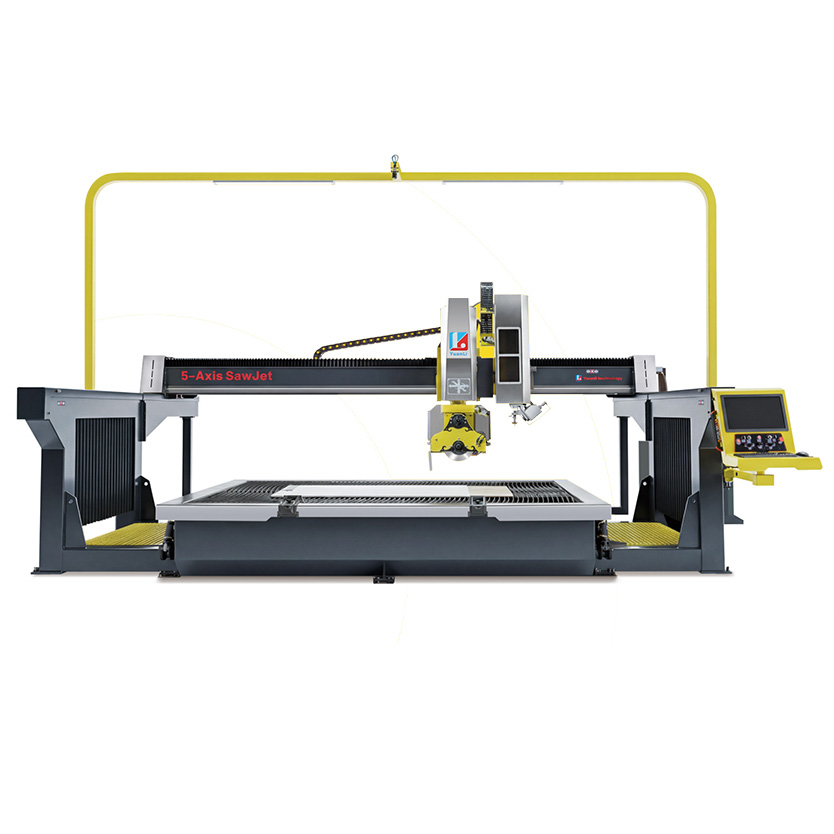
Waterjet systems operate using two distinct methodologies. You must match the technique to your specific material properties.
Pure waterjet cutting relies solely on the kinetic energy of water. The system forces highly pressurized water through a tiny orifice. Manufacturers typically make this orifice from sapphire, ruby, or diamond. The water stream exits at supersonic speeds.
We recommend pure waterjets for cutting soft goods. Optimal applications include industrial gaskets, acoustic foams, rubber, textiles, and thin plastics. The operational reality of pure cutting is highly efficient. It produces a microscopic kerf. You achieve exceptionally fast cutting speeds on soft goods. Furthermore, you experience significantly lower consumable expenses because you use no abrasive grit.
Hard materials require a more aggressive erosion mechanism. Abrasive waterjet cutting solves this by introducing a physical cutting agent. The system injects an abrasive material into the cutting head. Manufacturers typically use crushed garnet. The water stream pulls the garnet into a specialized mixing tube. The water accelerates the abrasive particles to erode the hard material.
Optimal applications span heavy industrial sectors. You can cut thick tool steel, titanium, aluminum, stone, glass, and dense composites. The operational reality shifts compared to pure cutting. You get a slightly thicker kerf. However, you achieve extreme precision on highly dense materials. Operating factors increase because you constantly consume abrasive garnet during the cut.
Waterjet streams naturally lose energy as they penetrate thick materials. This energy loss creates a V-shaped taper. The top of the cut is slightly wider than the bottom. You must control this taper for high-tolerance aerospace or medical parts.
Engineers solve this using 5-axis cutting heads. The machine controller software calculates the exact taper geometry. It then dynamically tilts the cutting head during operation. This tilt compensates for the natural stream lag. It places the taper onto the scrap side of the material. You receive a perfectly perpendicular cut on your finished part.
Feature | Pure Waterjet | Abrasive Waterjet |
|---|---|---|
Cutting Mechanism | High-velocity water stream only | Water stream mixed with garnet abrasive |
Target Materials | Foam, rubber, textiles, plastics | Metals, stone, glass, thick composites |
Kerf Width | Very narrow (approx. 0.004 to 0.010 inches) | Wider (approx. 0.030 to 0.050 inches) |
Cutting Speed | Extremely fast on appropriate soft materials | Slower, heavily dependent on material density |
You must evaluate several mechanical and facility dimensions before purchasing a Waterjet Cutting Machine. The pump technology and software ecosystem dictate your daily production efficiency.
The high-pressure pump acts as the heart of any waterjet system. You primarily choose between two established technologies.
Intensifier Pumps (Hydraulic): These pumps use a large hydraulic cylinder to drive a smaller water plunger. This mechanical advantage creates ultra-high pressures up to 90,000 PSI. They operate very reliably under continuous, multi-shift conditions. Maintenance schedules are predictable. We recommend them for high-volume production facilities.
Direct Drive Pumps (Crankshaft): These function similarly to a car engine. A motor turns a crankshaft driving three plungers. They deliver excellent energy efficiency, reaching up to 85%. They typically generate lower pressures, usually maxing out at 60,000 PSI. They feature a smaller footprint and lower upfront purchase prices.
Hardware means nothing without intelligent control software. You should evaluate the CAD/CAM integration carefully. Look for robust automatic nesting capabilities. Good software packs parts tightly onto the material sheet, reducing scrap.
Feed rate optimization represents another critical feature. The software must automatically slow the cutting head down as it approaches tight corners. This speed reduction prevents tailing and maintains perfect edge quality. Finally, ensure the software handles automatic taper compensation natively.
Waterjets interact heavily with your facility infrastructure. You must assess environmental scalability early. Look into closed-loop water recycling systems. These chill and filter the water for reuse, drastically reducing municipal water consumption.
You also need automated abrasive removal systems. These extract spent garnet and metal sludge from the catch tank automatically. Identify your footprint requirements. Waterjets need substantial structural flooring to support the heavy water-filled tank. Verify your power availability and municipal water supply compliance before installation.
Different manufacturing sectors leverage cold cutting to solve highly specific material challenges. The technology provides distinct structural advantages across modern industries.
Aerospace manufacturers work extensively with titanium, Inconel, and advanced carbon composites. Traditional lasers struggle with thick composites. They melt the epoxy matrix, causing severe delamination. Waterjets slice through aerospace composites cleanly. They never alter the structural metallurgy of flight-critical engine components.
The electric vehicle industry relies on lightweight structural components. Engineers frequently use waterjets for prototyping battery trays and suspension mounts. The technology excels at trimming complex fiberglass and carbon fiber body panels. You can quickly iterate automotive designs without waiting for expensive stamping dies.
Architectural fabrication demands both precision and scale. Waterjets perform flawlessly on thick natural stone. You can cut complex geometric inlays into granite and marble floors. Fabrication shops also cut thick architectural metals for custom structural signage and decorative building facades.
Medical implants require absolute purity. Manufacturers process stainless steel, titanium, and temperature-sensitive surgical alloys like Nitinol. Cold cutting ensures these alloys maintain their engineered properties. The process remains exceptionally clean and safe, making it perfect for stringent medical device manufacturing standards.
Adding ultra-high-pressure equipment to your floor introduces new operational dynamics. You must prepare your team for specific maintenance routines and environmental management protocols.
Running a waterjet requires a steady supply of specific consumables. You must account for the hourly consumption of electricity and filtered water. Abrasive processing consumes large quantities of garnet. In fact, garnet consumption often represents the largest portion of your hourly running factors. You will also periodically replace physical wear parts. These include sapphire orifices, carbide mixing tubes, and internal high-pressure pump seals. Proper tracking of these consumables ensures uninterrupted production scheduling.
Ultra-high-pressure plumbing endures extreme mechanical stress. You must acknowledge the reality of mandatory maintenance downtime. Pump seals, check valves, and high-pressure fittings wear out predictably. Your team must follow strict preventative maintenance schedules. Ignoring these schedules leads to unexpected pressure drops, blown lines, and ruined material. Proactive seal replacement prevents costly unplanned outages.
Waterjet operation requires highly specialized safety training. The cutting stream possesses enough energy to sever limbs instantly. Operators must master ultra-high pressure (UHP) safety protocols. You must also manage acoustic noise. Cutting above the water level generates extreme decibel levels. Submerging the material slightly underwater mitigates this noise effectively. Operators also need routine training on cutting head calibration and mixing tube alignment.
Do not ignore the hidden realities of facility installation. Waterjets create inherently wet working environments. You must manage splash-back effectively. Installing proper trench drains around the machine keeps the floor safe. You also face waste disposal requirements. The cutting process produces a heavy sludge composed of spent garnet and microscopic metal kerf. You must establish proper protocols for handling, drying, and disposing of this dense waste material safely.
Adding cold-cutting capabilities to your fabrication floor delivers immense strategic value. You instantly gain the ability to process thick, reflective, and heat-sensitive materials. You eliminate secondary finishing operations and expand your total manufacturing versatility.
Use a strict shortlisting logic when selecting equipment. First, prioritize your material types. This determines if you need a pure or abrasive setup. Next, define your required geometric tolerances. High-precision parts demand 5-axis cutting heads, while flat profiles only need 3-axis systems. Finally, analyze your daily production volume. Multi-shift operations generally require hydraulic intensifier pumps for maximum reliability.
Take concrete action before requesting formal machinery quotes. Send a sample of your most difficult material to the equipment manufacturer. Request them to perform a test cut. Review the edge quality and measure the cutting speed. This physical proof ensures the technology perfectly aligns with your specific production demands.
A: The practical cutting limit varies by material density. An abrasive waterjet optimally cuts steel and aluminum between 0.5 inches and 6 inches thick. However, the theoretical capability extends further. Depending on your tolerance requirements and cutting speed flexibility, high-pressure machines can slice through 10 to 12 inches of solid metal.
A: A waterjet generally requires a higher hourly consumable investment due to continuous garnet usage and pump seal wear. However, lasers encounter severe material limitations. Lasers cannot cut highly reflective copper or very thick steel effectively. Waterjets eliminate the thermal warping and edge hardening risks inherent to laser cutting.
A: Yes, you can recycle waterjet abrasive. Manufacturers offer specialized abrasive recycling systems. These systems wash, dry, and screen the spent mud. While they require a significant upfront equipment purchase, a good system typically recovers 50% to 70% of usable garnet. This greatly reduces ongoing consumable deliveries.
A: Standard 3-axis waterjet cutting typically holds tolerances between +/- 0.003 to 0.005 inches on standard material thicknesses. Advanced systems improve this significantly. Machines equipped with 5-axis dynamic cutting heads and intelligent taper compensation software can achieve tolerances as tight as +/- 0.001 inches under optimal conditions.


